The Film to Come
Diary of a Teacher (Diario di un maestro, 1973) Vittorio de Seta
In Diary of a Teacher, Vittorio de Seta, better known for his work as a documentary filmmaker (Isoli di fuoco, Contadini del mare, etc), freely adapts the book Un anno a Pietralata (A year at Pietralata) by author Albino Bernardini. As a miniseries of four episodes for RAI TV channel or a four hour telefilm, we can see the whole transformation and impact of a teacher and his strategies and reflections on the lives and destiny of a very poor community of people in the marginal slums of Rome.
Bruno is a young teacher who needs to certificate the necessary experience to graduate. He is sent to teach at a school located in the margins of Rome in the Pietralata quarter. There he finds a group of difficult eleven to thirdteen-year-old students under the risk of dropping off school. Trying to get to know them from the very first session he asks about their interests and finds out that most of them remember some fragmented information about French revolution. This episode triggers a series of reflections in Bruno’s pedagogical process not only on how to approach them and their specific reality, but regarding the most relevant aspects of life that these boys should take into account to become autonomous and free human beings.
While teacher Bruno and the school and university communities are played by actors and actresses, the group of students is conformed by children who actually live in the neighborhoods surrounding the school. Bruno’s classes are filmed with techniques brought from cinema verité and direct cinema. Vittorio de Seta’s experience as a documentary filmmaker is crucial to build the processes in which the children’s previous experiences are the starting point so Bruno can propose and build the next learning activities and discussions. Besides, the specific Cinema Verité like approach matches properly the gathering, recollection and production stages of documents that are eventually exhibited in Bruno’s classroom, apparently without any external intervention. However, whether it is staged or not, the students’ knowledge about the reality they live in, unleashes debates on ethics, politics, ecology and the ways all of them seem to build life histories within or towards a collective History and we can see the consequent evidences and products of these processes throughout time. It is Bruno’s voice over the one element that guides us into the further reflections of his own process as a teacher, most of the time by making indirect questions and permanently searching for ways to approach the different realities he gets to confront.
It is key to point out that this film tries to show how knowledge can be gathered through experience and turned into concrete actions just in the same way the pedagogical approach used by Bruno achieves the same goal. These are some of the stages in which experiences enable the construction of knowledge and- fundamentally- of concrete actions for the benefit of the community.



Lizards and a reflection on cruelty
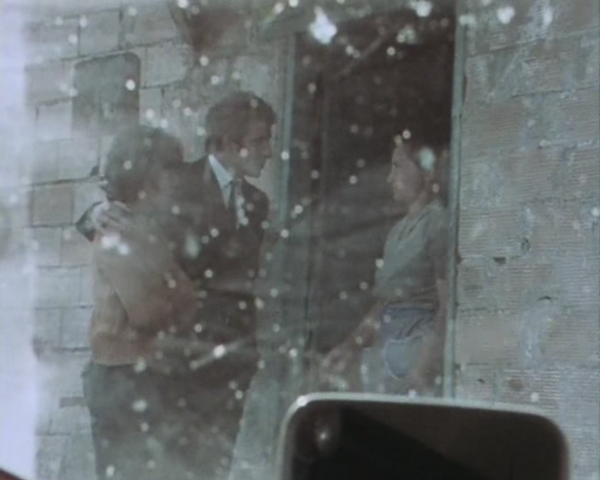
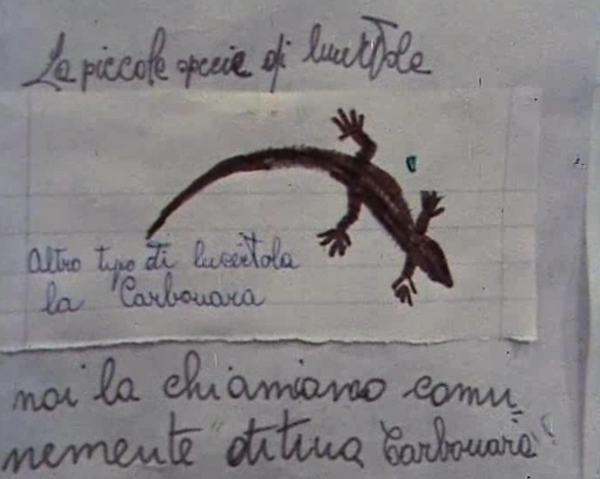
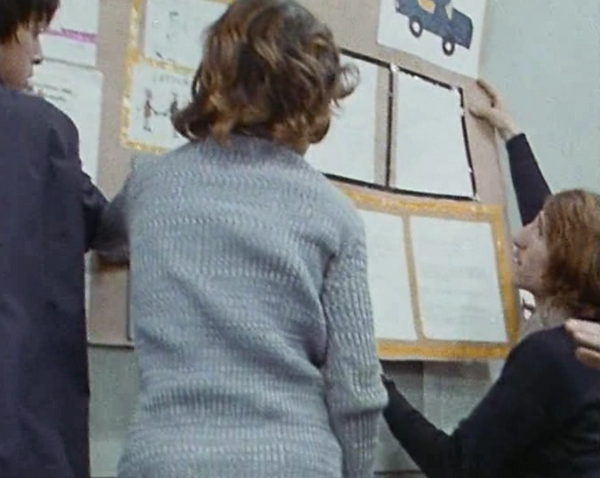
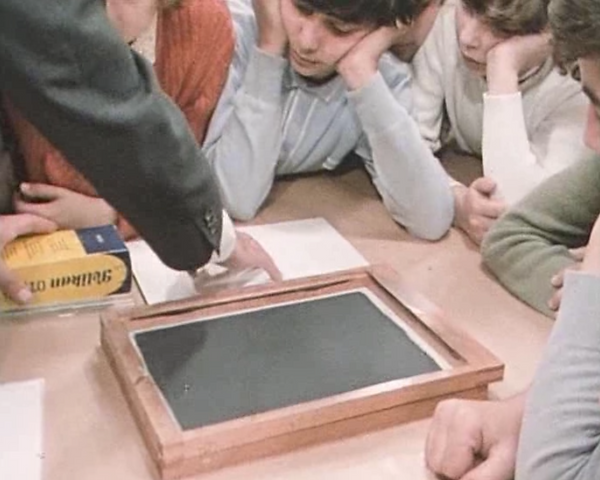
In the first group expedition to the vacant lots and the sewers surrounding the city slums, Bruno and the students find different kinds of lizards. Most of the students torture these small animals as if they were stretching toys. From this point on, Bruno starts a reflection on violence and cruelty and how this is also reflected in the way the children treat each other. The lizards are taken to the classroom to be the object of analysis in different ways according to each student’s experience with them. The results are shown in images as an exhibition on the classroom walls.
As students still keep the abusive behavior, the rule of not torturing pregnant lizards is created as an agreement and small conquest to implicitly stop torturing all other lizards and start questioning different ways for manifesting violence.


Interviewing an ex-robber and discussing collectively about the act of robbing
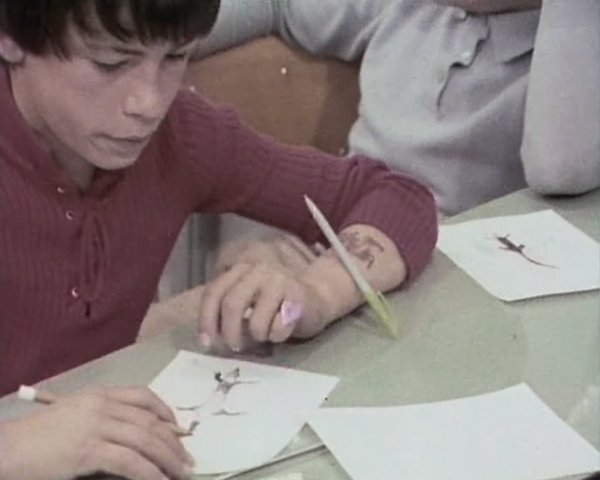
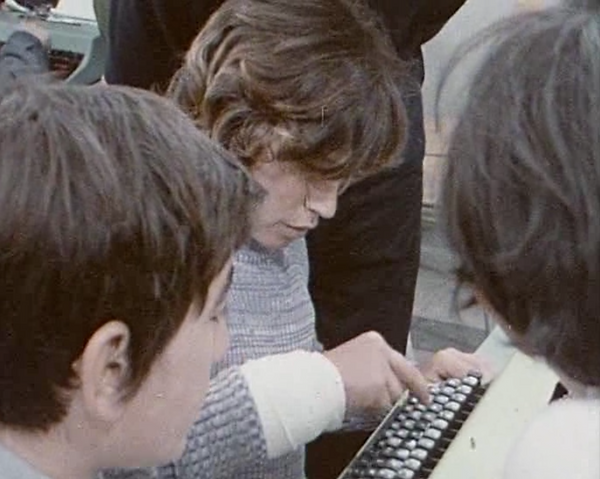
After an episode of mischief involving stealing a car, Bruno reflects on the possible motivations a person can have for taking things that are somebody else’s possession. An ex-robber is invited to the classroom so he can tell his personal experience and students can interview him and get to know further details regarding his criminal background and the ways in which he paid for his crimes. Bruno encourages students to take notes, correct them and then type the final reports and interviews in typewriters he brings to the classroom. With covers made by each student group, along with perfectly organized, edited and approved pages, the perfectly handmade books are also exhibited in the classroom, as the example of another experience properly documented.






Demolition of old houses and changes in the neighborhood
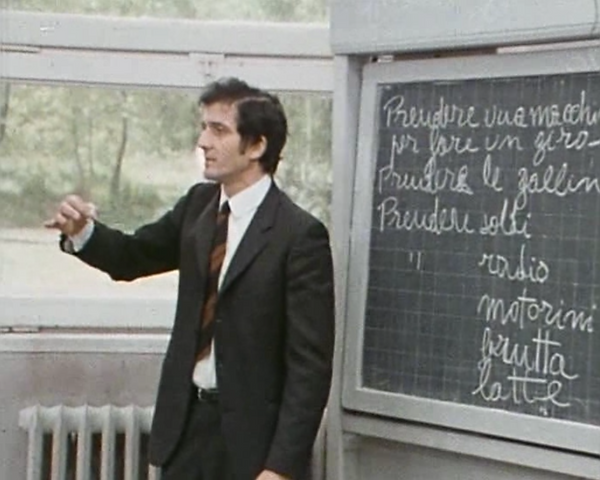
Following the idea of producing their own texts, students document the process of demolition of an old neighborhood in the area. Through illustrations, they tried to depict the main ideas and emotions they felt when witnessing the mechanical shovels used to demolish the old houses. With an emphasis on expressing what they felt instead of trying to resemble exactly what they saw, Bruno focuses this time on reflecting on composition, metaphors and the power of forms and colors when representing the demolition scenes as drawings and paintings to impact the viewer in some specific way. After doing individual works, they chose those ideas who should be reworked and improved by a group remake in a larger size, again with exhibition purposes.


Multidisciplinarity and family history
When talking about the old houses that were demolished, there comes the necessity of documenting how the children’s grandparents came to Rome and why. Bruno points out the way in which these particular histories can be represented as fixed (statistics) or as in motion (chronicles and tables of comparison and movement). The whole group also chooses a title that synthesizes a big idea or concept into a few precise words. At the end, a collective text is created and corrected and approved by the whole group. Bruno highlights the importance of knowing how to write and express ideas so they can be heard and claim for their rights in equal conditions.


Printing and sharing ideas
Following the previous process, Bruno brings his printing press for students to print the resulting text so each student can have his own copy, plus the copies for his parents, thus discovering the potential for reproducing and disseminating their intelectual production in and out of the classroom.


Violence and History
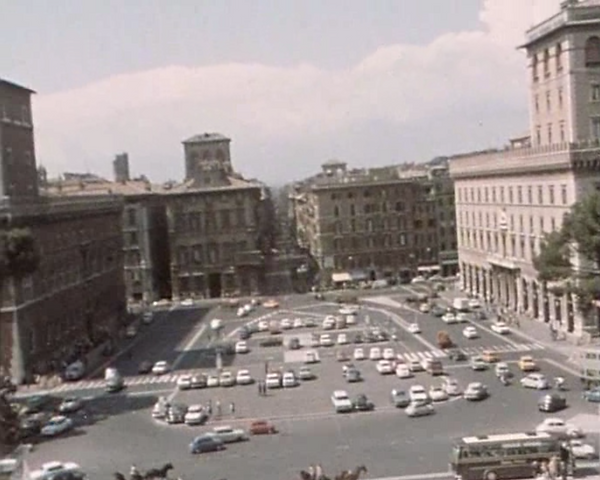
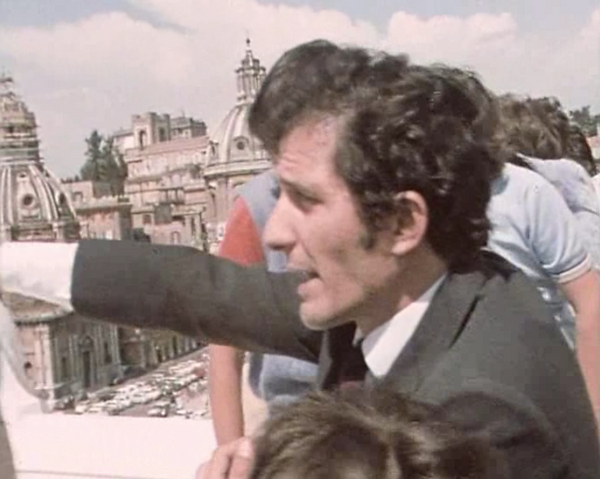
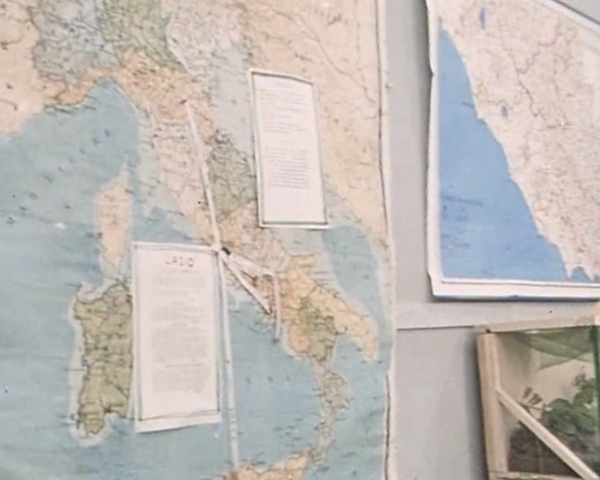
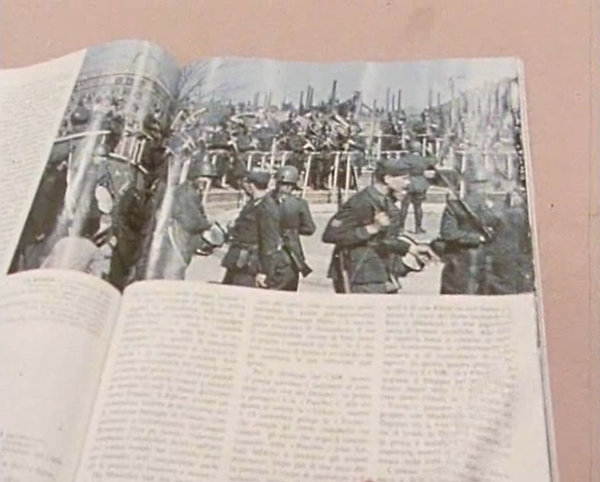
Throughout the whole process there is the reflection on violence, cruelty and the spectacles of aggression, as they take place whether in small daily life actions and situations, and also regarding history as statistics of deaths and casualties. The group visits the Roman Colosseum and being there, Bruno describes some of the structure of the place and the amount of deaths in the Colosseum. From there, they see Piazza Venezia and the balcony where Mussolini made the war declaration. This is the starting material for the next class: World War Two. However, Bruno proposes the students to continue constructing history from what their parents experienced when World War Two started. Subsequently, they investigate with their relatives and also with other sources of information, like books, magazines and printed material brought to the classroom.






Bruno’s confrontation with traditional school
The previously mentioned collective method of consulting public sources of information, photographic archives and also their own research as learned in previous activities, leads the whole group to document and analyze the social situation of the city slums in which they live. As they place all the information and research material on the classroom walls, the school principal comes in and starts to test students in a traditional way to check their reading and memory skills. As students are evidently not trained in fast reading or reading comprehension for the specific texts the principal makes them read, the latter blames it on Bruno and his teaching methods. A discussion on the ways education should be approached, takes place between the principal and Bruno. The principal insists that students should memorize general information to answer his trivias as for him, all students are the same. On the contrary, Bruno questions this accumulation of information in detriment of using experience and developing their capacity to analyze specific realities and take action. As a result of this debate, the principal states that Bruno’s methods are not compatible with the school just as the teacher exposes the activities he led and the resulting products of the students as synthesis of the many disciplines, formats and topics explored in class, always aiming to encourage them to be free and approach reality, their reality.
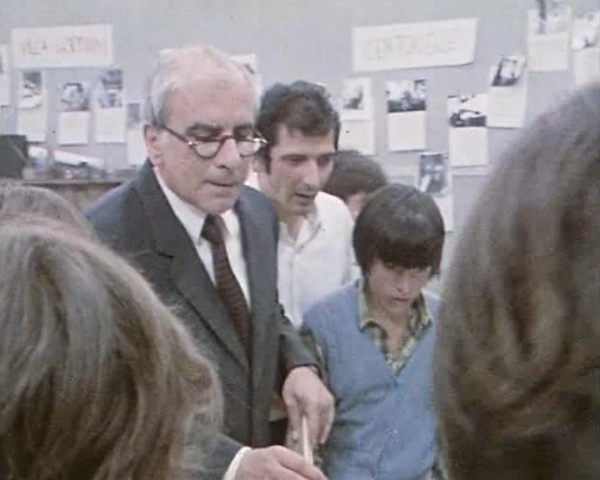

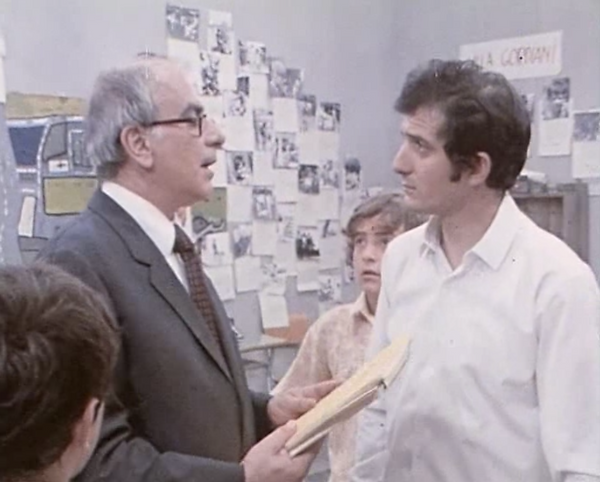

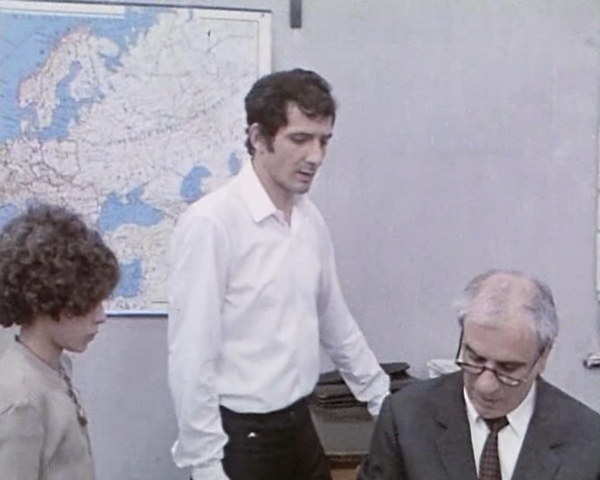


As a result of this confrontation, Bruno goes away wanting to quit the school. Nonetheless, he reflects on the necessity of a proper education that can give the tools to students so they can be free people, new people. With that in mind, his journey just starts from this point on.